How puppeteer-extra-plugin-stealth Works and Where It Falls Short
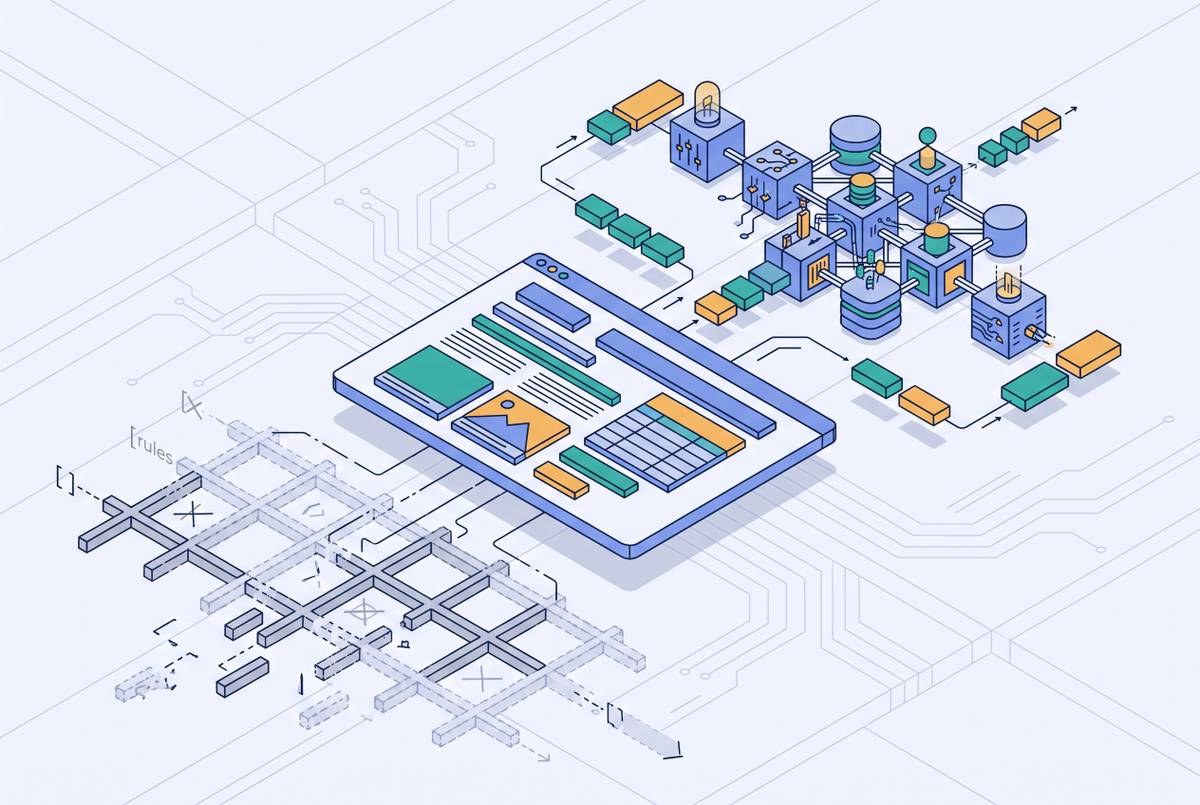
Modern detection examines protocol and network layers the plugin cannot reach.
Colin Weldon
18 stories
Modern detection examines protocol and network layers the plugin cannot reach.
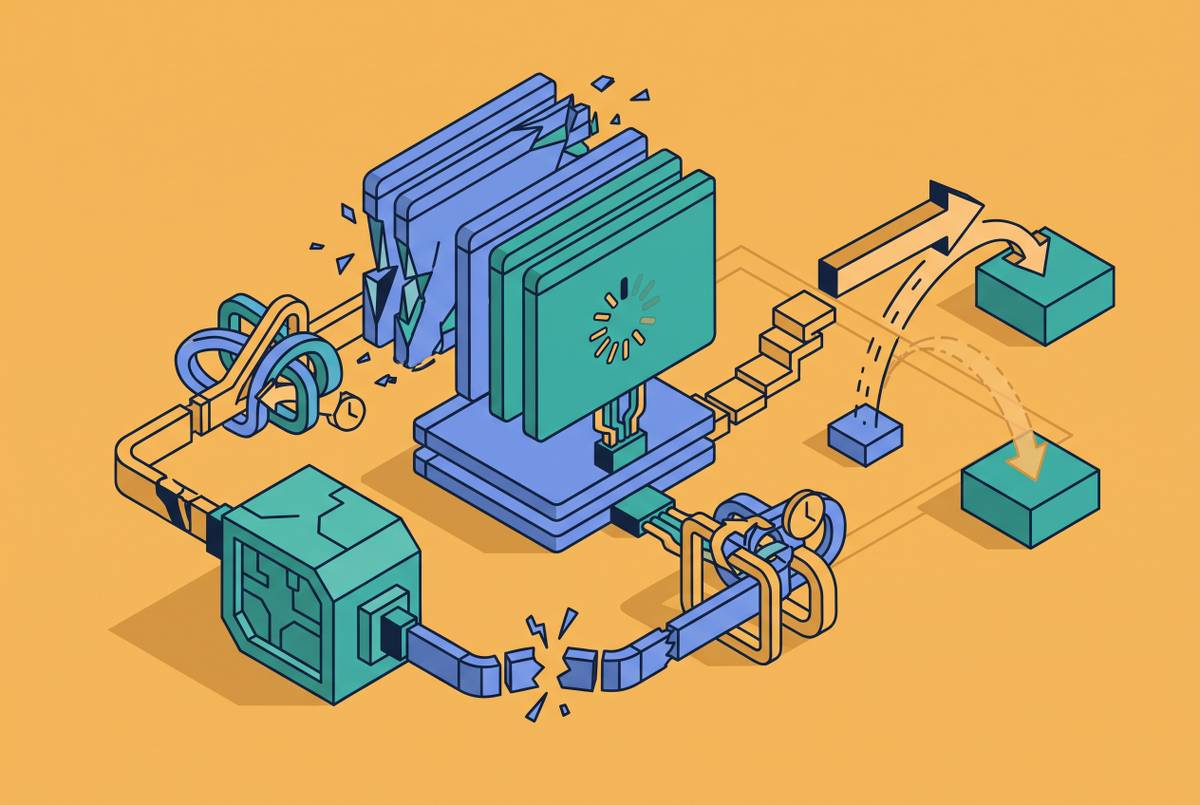
Diagnose headless browser failures by identifying their root cause before adjusting configuration.
Solve the architectural mismatches between Chromium and serverless constraints.
The rendering engine runs in full while the window disappears.
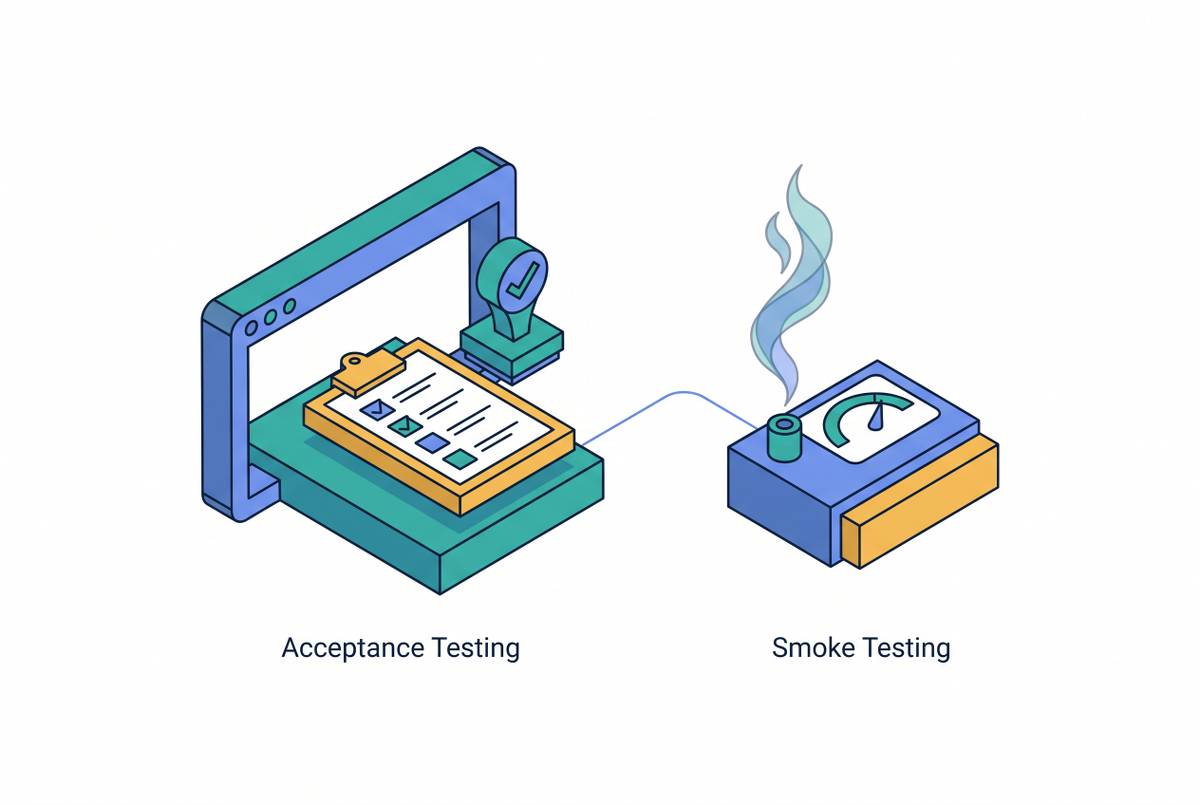
Smoke tests verify builds are testable; acceptance tests confirm they meet business needs.
Language models adapt scrapers to layout changes that break traditional selectors.
Flaky tests hide deterministic bugs, not random noise.
Browsers aren't stateless workloads — treat them like containers instead.
Know which pages need a browser and which don't to avoid wasting infrastructure.
Container layering and build-time browser installation cut cold starts and slash image bloat.
Co-location and warm pools matter far more than benchmark rankings when picking a provider.
AI agents demand browser infrastructure that scales without manual warm-up work.
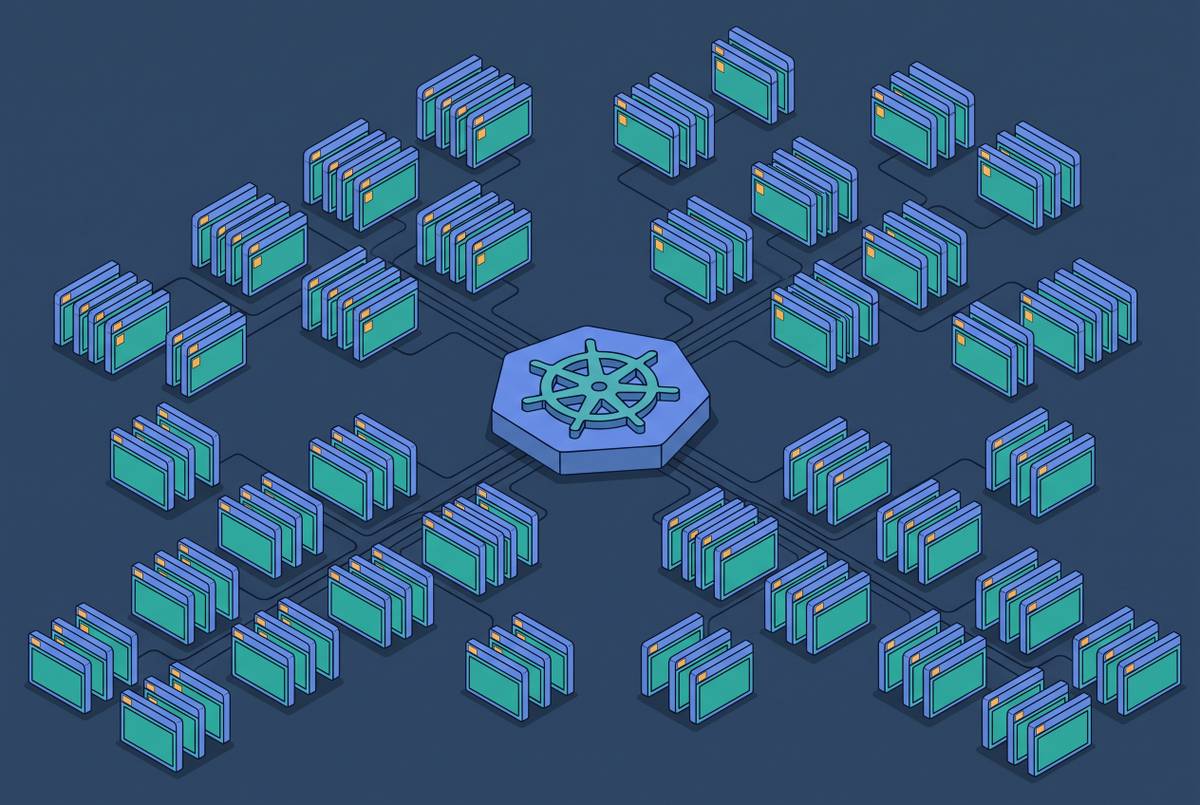
Cloud platforms handle the infrastructure burden of running browser sessions at agent scale.
AI agents need persistent browser sessions across regions, not single-region infrastructure.
Verify that users can log in with their actual credentials without confusion or friction.
Explosive AI agent traffic is forcing a rethinking of browser automation from the ground up.
How to deploy Puppeteer to Lambda without running into size, library, and timeout constraints.
Web agents fail predictably; design recovery into each failure type.