Chromium vs Firefox vs WebKit in Headless Mode: Latency and Memory Compared
Firefox and WebKit beat Chromium on memory and startup cost in headless workloads.
Mira Sepulveda
16 stories
Firefox and WebKit beat Chromium on memory and startup cost in headless workloads.
Architecture beneath the surface explains why frameworks perform differently on identical test code.
Headless mode requires explicit configuration to run reliably in CI pipelines.
Headless browsers eliminate graphics overhead to run tests faster and in parallel on CI servers.
Stateless HTTP transport finally makes serverless and edge deployment viable for MCP servers.
How a standard protocol unified AI's chaotic tool-calling landscape.
Script maintenance costs, not features, should drive your tool choice.
Trade speed and isolation to match your workload's threat model.
Puppeteer's direct Chrome connection beats Selenium's portability trade-off for speed.
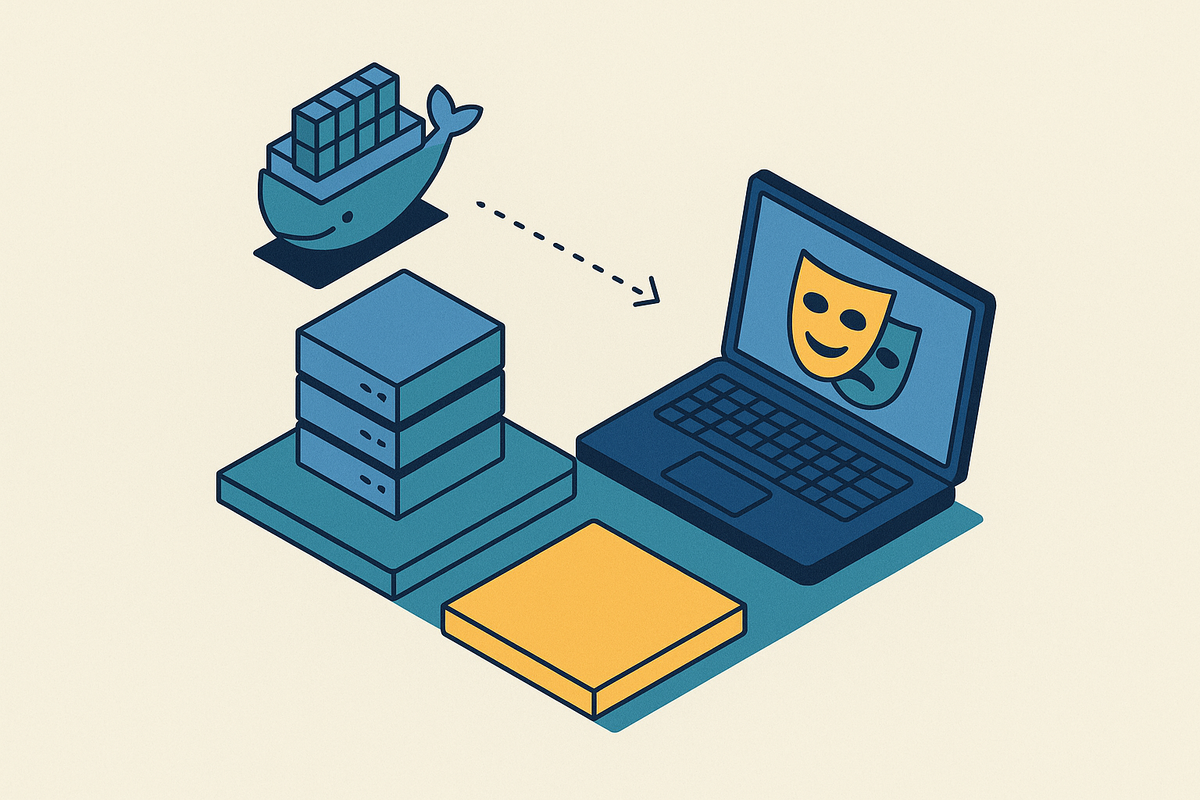
Docker packages browser dependencies reliably for serverless environments.
Distributing browser execution across edge networks cuts latency and costs at scale.
Headless browsers cut memory use by 60-80%, enabling faster regression testing at scale.
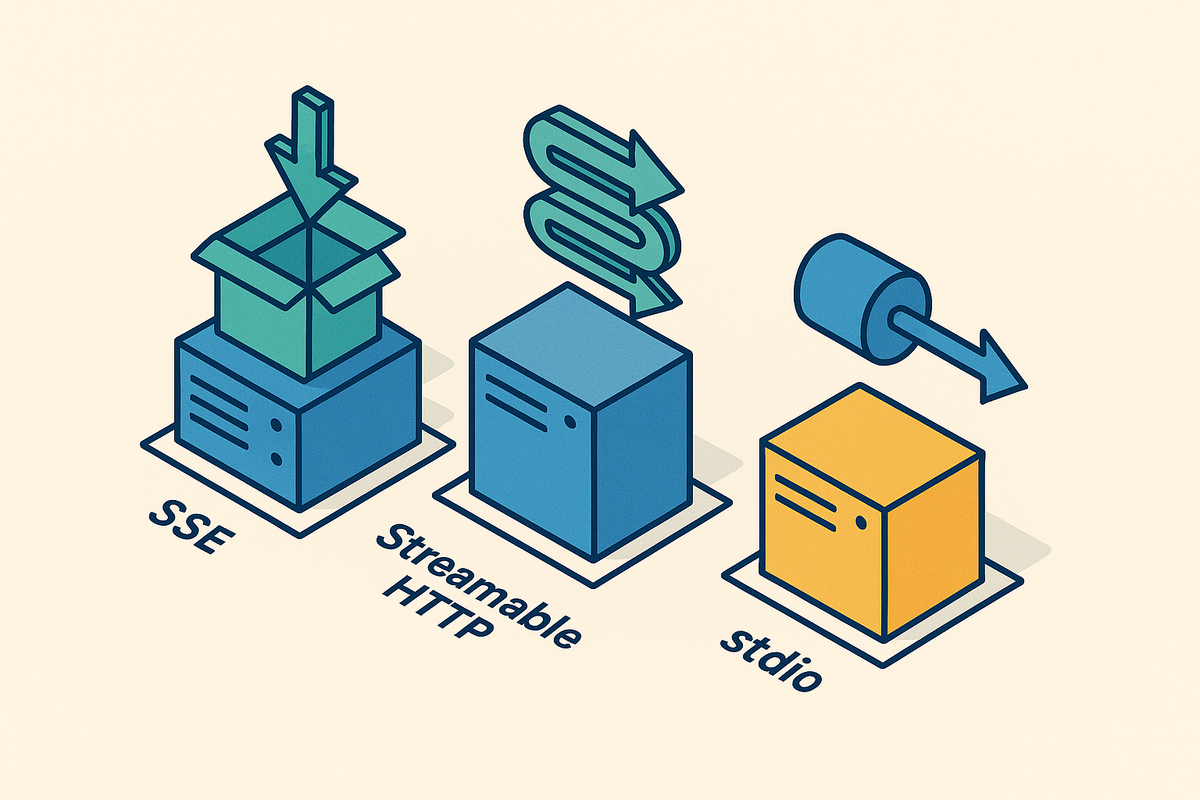
Streamable HTTP replaces deprecated SSE as the MCP standard for modern infrastructure.
Playwright's architecture suits serverless runtimes better than Selenium's structural design.
Automated traffic now dominates the web, forcing security teams to rethink headless browser defense.
Scrape JavaScript-rendered content and automate testing without a display server.