How Agentic Workflows Run on Serverless Infrastructure
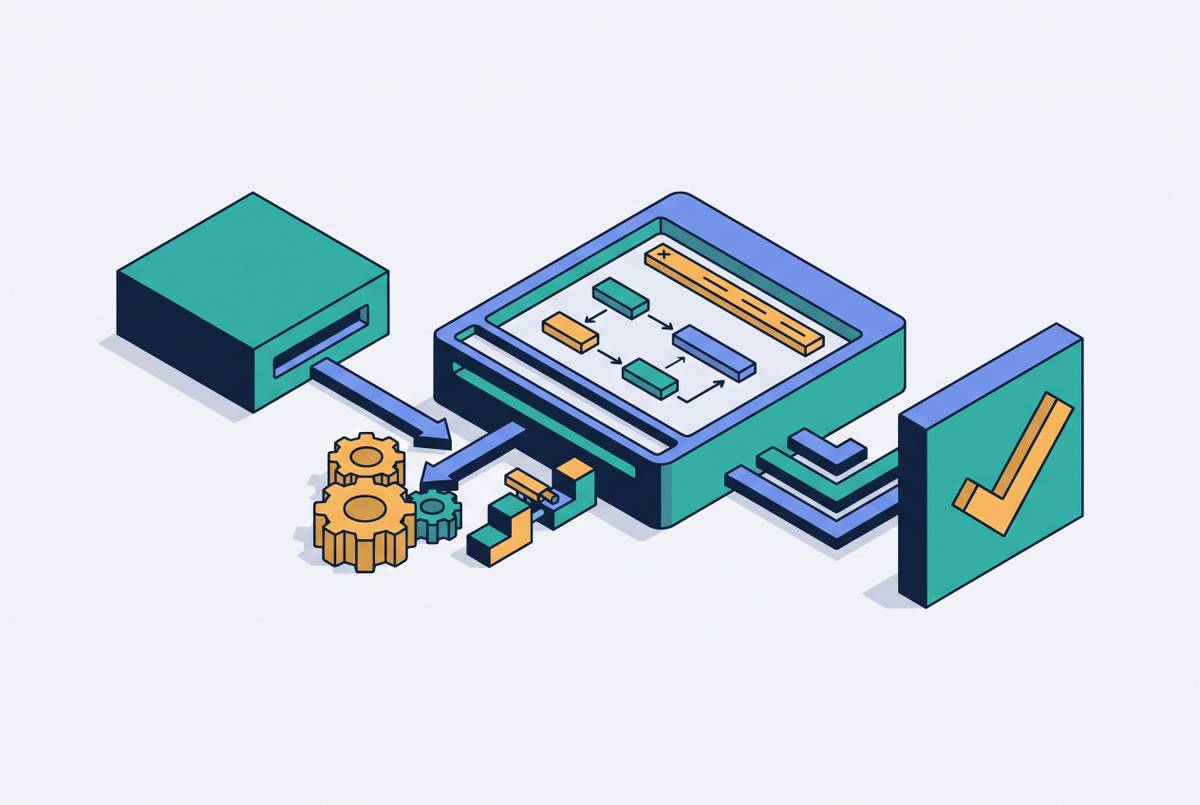
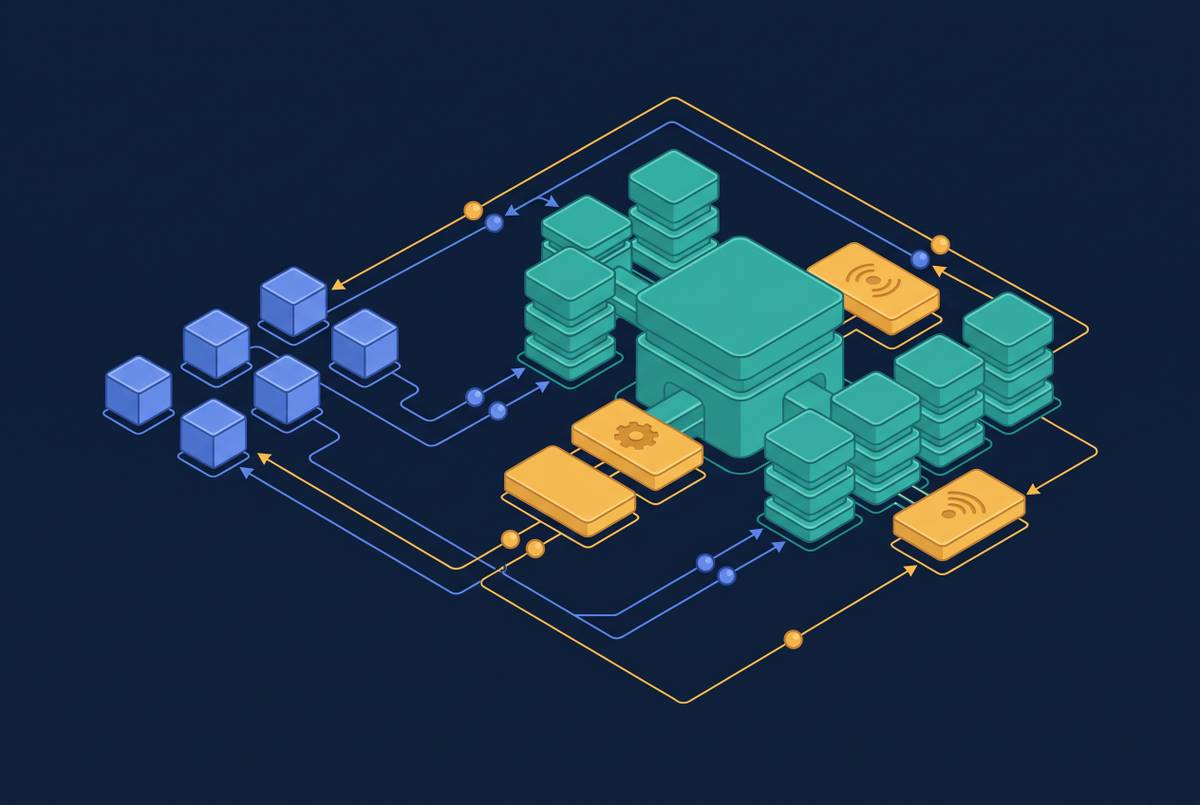
Agents need discrete, retryable steps with durable state to run cost-effectively on serverless.
Ayana Okoro
17 stories
Agents need discrete, retryable steps with durable state to run cost-effectively on serverless.
Container hardware constraints slow execution and rendering differently than local machines.
AI agents triage visual changes, separating real bugs from rendering noise.
Browser agents fail at scale when infrastructure, not reasoning, breaks down.
Understanding the four-layer architecture that powers browser automation.
Security flaws in MCP servers expose AI agents to tool poisoning and credential theft.
How to pin browser sessions to one server in HAProxy.
How to build E2E suites that catch real bugs and stay maintainable.
Choosing the right headless browser platform is infrastructure, not a formatting preference.
Hosted session pools beat serverless for multi-step agent workflows.
Choose the right layer of testing for your team, not just one tool.
AI systems that plan, execute, and adapt tests without human direction.
A lean browser tripwire catches deployment breaks before they reach users.
New protocol changes let MCP servers run as stateless serverless functions.
Pyppeteer excels at low-level browser control but struggles with maintenance and deployment.
Structured actions cut compute costs by eliminating visual inference and repeated page captures.
MCP eliminates the human relay work between agent fixes and browser debugging feedback.