Sandbox Escapes and SSRF Risks in Headless Browser JavaScript
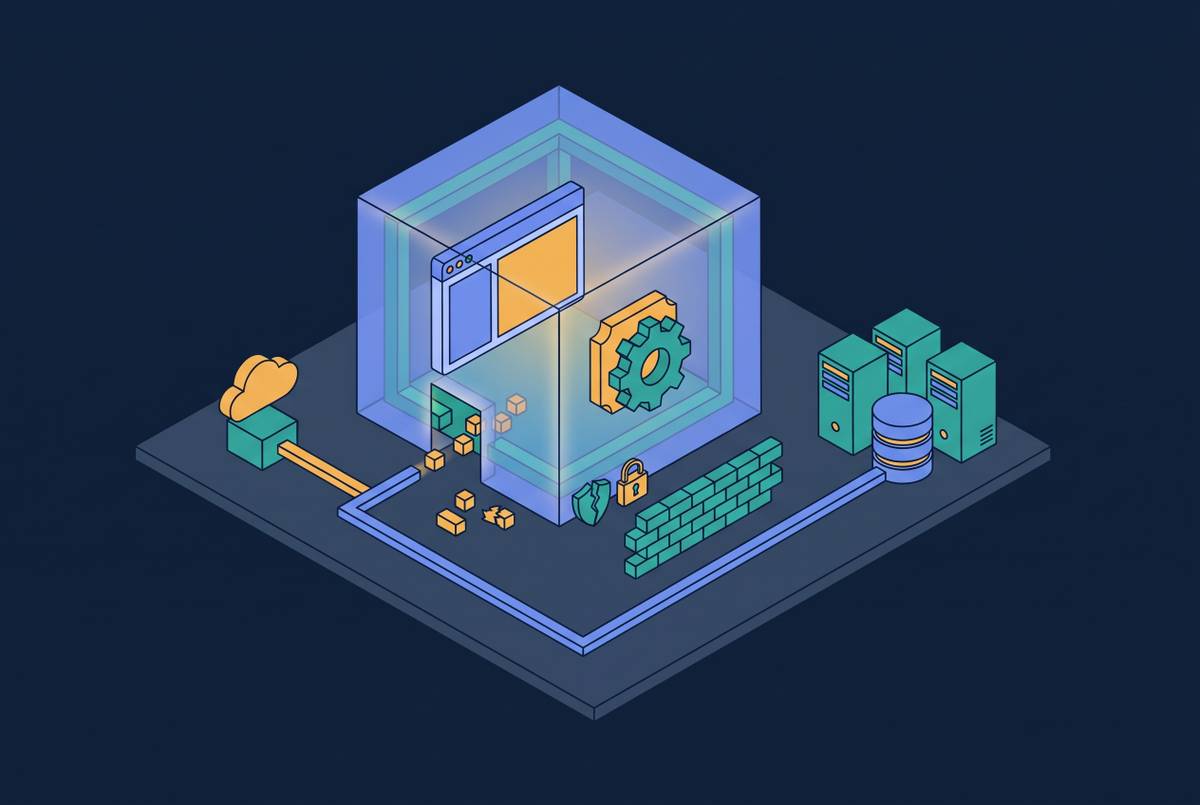
Headless browsers expose internal systems through SSRF gaps and JavaScript sandbox escapes.
Reuben Colson
32 stories
Headless browsers expose internal systems through SSRF gaps and JavaScript sandbox escapes.
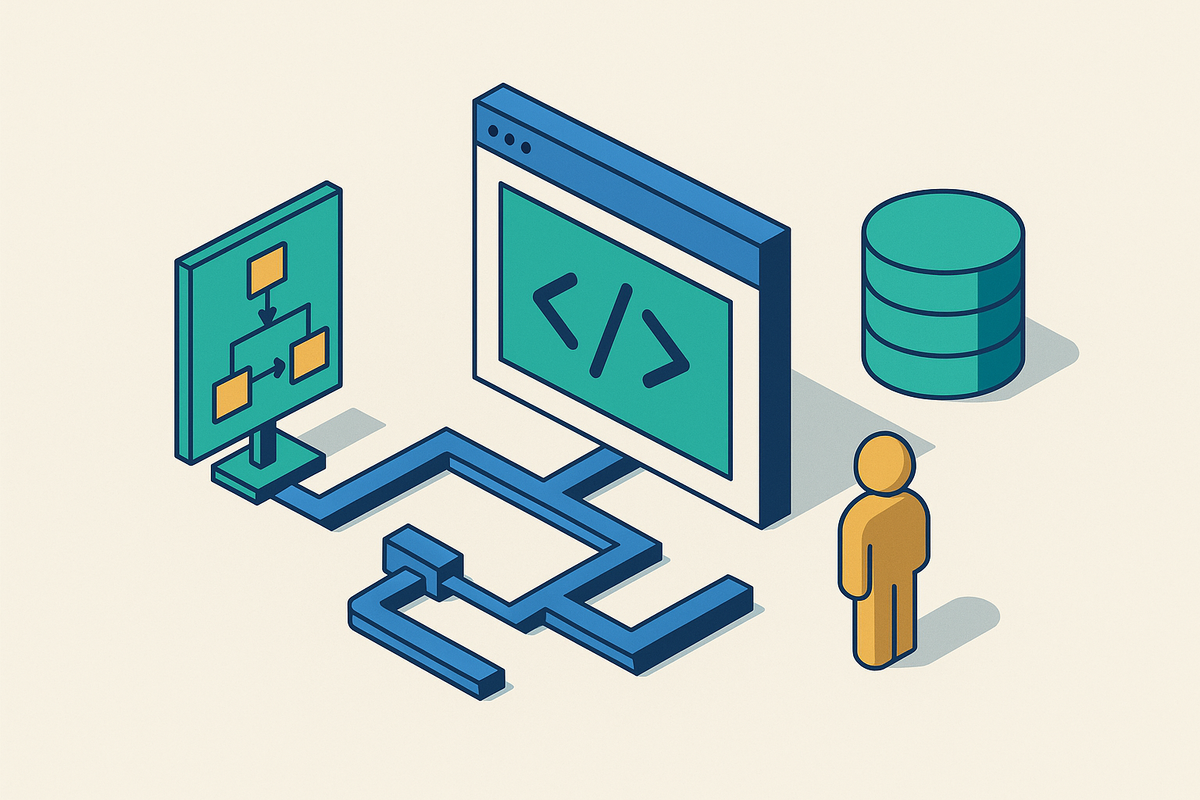
Production web automation requires network infrastructure beyond the browser itself.
Browser tests require explicit OS resource and display configuration that timeouts alone cannot fix.
V8 isolates eliminate cold starts by running thousands of browser sessions in a single warm process.
Pooling browser sessions eliminates cold starts and isolation failures at agent scale.
How to layer cookies and tokens so session theft becomes someone else's problem.
Browser APIs let AI agents render JavaScript and avoid the ops headaches of self-hosted Chrome.
A browser engine that runs without a visible window, controlled by code instead of a mouse.
Edge deployment cuts latency and operational burden compared to centralized cloud functions.
V8 isolates eliminate cold starts by replacing containers with lightweight sandboxes.
V8 isolates and Chromium can't coexist, forcing three distinct platform architectures.
Comparing Python headless browsers by speed, JavaScript fidelity, and CI integration trade-offs.
BDD is the conversation between people, not the tests that record it.
Agents need specialized rendering layers to handle real pages—not just static HTML.
Chromium initialization makes browser functions pay cold-start costs standard serverless avoids.
Modern websites run on JavaScript, so rendering matters more than the AI model itself.
Stagehand now runs efficiently on remote browsers without adapter overhead or extra latency.
HTTP transport and Durable Objects enable stateful agent workflows without reinvention.
Beautiful Soup parses static HTML; everything else needs different tools.
Six stacked patterns manage browser automation from tool foundations to error correction.
Break down your web scraping pipeline into three distinct layers to isolate failures.
Browser-native protocol lets AI agents tap into web apps without vision models or screenshot loops.
Headless browsers let AI agents see what humans see on the web.
AI systems that act autonomously toward goals, not just answer questions.
Agents enrich leads, score fit, and send personalized emails without human involvement.
Single agents handle bounded tasks; agentic AI coordinates multiple agents toward emergent goals.
Organizations deploy agentic AI in three concurrent tiers, not sequential levels.
Know the difference between agentic workflows and simple automation before choosing a tool.
AI-generated tests find edge cases humans skip under deadline pressure.
Playwright handles multi-origin AI agent testing where Cypress hits architectural limits.
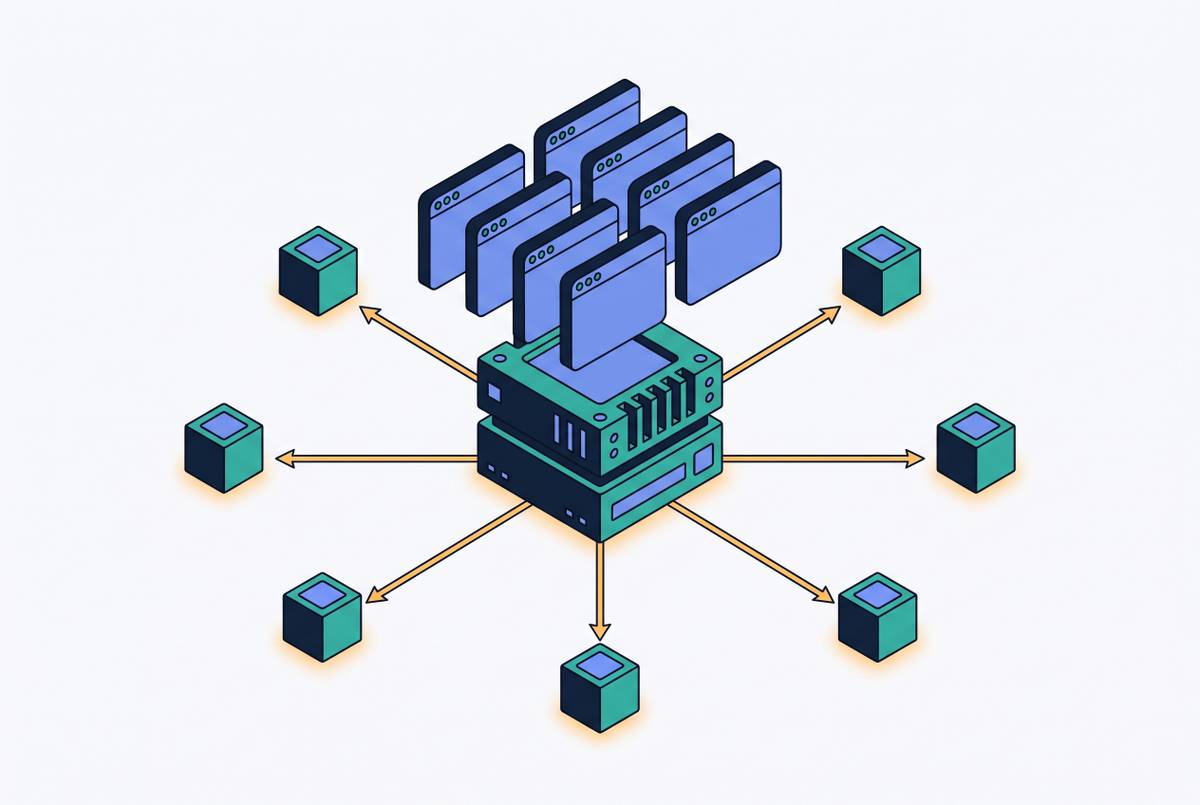
Four interdependent layers determine browser pool performance, not isolated tuning parameters.
Machine learning shifts web scraping from position-based rules to meaning-based extraction.